







Search Results for: ice treatment

Kangshifu Iced Black Tea Fan Meetup Sparks Discrimination Controversy: Fans Outraged Over Discriminatory Security Screening
A star's offline fan meet-and-greet that should have been full of joy sparked a wave of complaints due to discriminatory treatment during security checks. After the Qingdao fan meeting of Wang Yibo, spokesperson for Master Kong Iced Tea, many consumers reported through the Black Cat complaint platform that on-site security guards only confiscated support items from a specific fan group, forced body searches, and even shone laser pointers into their eyes, while fans with green support items, who were also consumers, enjoyed different treatment. The brand has not yet responded, and the incident continues to ferment on social media, with various accounts differing. [more…]

Mixue Bingcheng employee washing feet in sink sparks heated discussion, official response says it was emergency treatment for a scald
Recently, a video of a Mixue Bingcheng employee washing his feet in a sink inside the store spread rapidly online, drawing widespread attention. In the video, a man in a black work uniform is rinsing his feet in a sink behind the counter, with milk tea buckets and operating tools placed nearby, a scene that is shocking. Mixue Bingcheng later responded that the employee had scalded his foot at work and used cold water as an emergency treatment, and that the store involved had been ordered to close for disinfection and carry out rectification training. However, some netizens questioned the official explanation, saying the man's movements were calm and did not look like someone who had been scalded. The incident continued to escalate, and food safety and hygiene issues once again became the focus of public opinion. [more…]

How to determine the grind size, water temperature, ratio, and ice for iced pour-over coffee? Does pour-over coffee need to be brewed over ice?
When making iced pour-over coffee, should the coffee liquid be allowed to pass through the ice or not? This is a question that many coffee enthusiasts struggle with. Many cafés do indeed use the ice-passing method for serving, but passing through ice also has obvious shortcomings, such as the coffee warming up quickly, not being cold enough, and the degree of dilution being difficult to control. To solve these problems, the key is to start from three aspects: the degree of cooling, pre-treatment of the cupware, and parameter adjustment. Based on the practical experience of Front Street Coffee, this article breaks down in detail the precautions for the ice-passing method and gives specific suggestions for coffee dose, coffee-to-water ratio, grind size, water temperature, and extraction time, helping you consistently make delicious iced pour-over at home. [more…]

How Is a Dirty Coffee Different from an Iced Latte? A Comprehensive Analysis of the Differences Between the Two in Ratios, Methods, and Drinking Styles
Dirty coffee and iced latte look quite similar in appearance, both presenting a layered effect of espresso over milk, but they are actually different drinks. This article starts with production details such as cup size ratio, whether ice is added, cup treatment, and layering requirements, systematically sorting out the differences between Dirty and iced latte, and explaining in detail the correct way to drink each. The article also combines the flavor characteristics of coffee beans such as Front Street classic blend, specialty blend, and dark cocoa base blend to explain how to choose beans to achieve the ideal layering effect and taste experience. [more…]

On his first day on the job, a Mixue Bingcheng employee unexpectedly died suddenly, sparking heated debate over how legal liability should be determined.
Recently, Mixue Bingcheng made trending news due to an employee's sudden death. According to media reports, a female employee in Jingdezhen, Jiangxi, suddenly collapsed after working only three hours on her first day on the job and tragically passed away despite rescue efforts. Mixue Bingcheng responded that they are negotiating with the family, and the incident is still under investigation. This tragedy is not only lamentable but has also sparked widespread discussion on legal issues such as employer liability, work-related injury determination, and social insurance contributions. At the same time, Mixue Bingcheng's previous fine for employing child labor has been brought up again. The health and rights protection of workers has once again become a focal point. [more…]

Kenya 72-Hour Washed Process Explained: Double Fermentation and AA-Grade Coffee Brewing Flavor Characteristics
Kenyan coffee is renowned for its vibrant acidity and clean cup profile, and its distinctive flavor is largely attributed to the iconic 72-hour washed processing method. Known as double washing, this technique uses two rounds of fermentation and two rounds of rinsing, allowing the coffee beans to shed their mucilage while boosting acetic acid concentration, thereby shaping an unforgettable fruity character and bright acidity. This article breaks down the complete process of Kenyan double fermentation in detail, explains why the total time can reach 48 to 72 hours, and introduces the AA grade classification standards. At the same time, using Front Street Kenya Small Tomato Coffee as an example, it shares practical parameters and flavor performance for hot pour-over, helping coffee enthusiasts gain a more comprehensive understanding of this bean's processing logic and drinking approach. [more…]

A Complete Analysis of the Origin and Raisin Honey Processing Flavor Characteristics of Costa Rica Musician Series Bach Coffee Beans
The Bach coffee beans in Front Street Coffee's Musician series come from the Tarrazú region of Costa Rica and are processed using the raisin honey method, displaying rich fruity aromas of strawberry, blackberry, and raisin. The first sip is intensely sweet and tart, with a tipsy, red-wine-like bouquet in the middle and finish, while the candied sweetness and plum wine notes become even more pronounced as the cup cools. This article will explain in detail Bach's origin information, the process flow and flavor advantages of the raisin honey treatment, and introduce the processing methods and brewing suggestions for the Mozart and Strawberry Candy · Geisha blend in the same series. It will also analyze the H1 hybrid variety used in the 2020 new-crop Mozart and its anaerobic honey treatment characteristics. [more…]

Espresso Coffee Brewing Methods | Why Is an Iced Americano from a Coffee Shop Warm After Removing the Ice? How Do You Make a Delicious Ice-Free Americano?
I wonder if any of you have ever ordered an "iced Americano without ice" at a coffee shop. If you have, then Front Street believes you were most likely puzzled by the coffee that was served. Why? Because the iced Americano without ice made by the vast majority of coffee shops differs somewhat from what you'd imagine. Regarding iced Americano without ice, what you'd imagine is [more…]

Luckin store's ice machine waste ice dumped on street trees sparks debate; landscaping department responds to operational hazards
Recently, a video of Luckin Coffee store employees dumping large amounts of waste ice from cleaning the ice machine under the street trees in front of the store has sparked heated discussion on social media. On one hand, there is the practical difficulty employees face in disposing of excess ice; on the other, netizens are worried about the health of the trees. Is dumping ice a way to make full use of resources or is it harming the greenery? The landscaping department has offered a professional opinion on this, and behind the incident it also reflects a management blind spot in the waste ice disposal process at chain coffee stores. [more…]

Dry Ice Meets Coffee: A Full Analysis from Smoky Specialty Drinks to Cryogenic Grinding—Creative Play and Flavor Science
When dry ice is dropped into black tea, white mist billows and bubbles surge, and a cup of smoking creative coffee is born. This presentation style, which appeals to both sight and smell, is sparking a new wave in the coffee world. From Hong Kong champion barista's Amber Coffee Brewery, to the extraction technique of freezing coffee beans before grinding, to the unconventional trick of using dry ice instead of ice cubes during pour-over, the applications of dry ice in coffee are far more diverse than one might imagine. This article walks you through the principles and flavor logic behind these creative operations, and shows how baristas use modern technology to give a cup of coffee a richer layered expression. [more…]

Freshly made tea drink mixed with a whole packet of deoxidizer causes chemical esophagitis in consumer; brand's apology letter was deleted after being published
A single cup of fruit tea smoothie turned out to contain fragments of an entire packet of deoxidizer. After drinking it, the consumer experienced a foreign-body sensation in the throat and a burning stomach, and was diagnosed with chemical esophagitis after seeking medical attention. The store involved first admitted it was an employee operational error, then said the deoxidizer had been crushed together with its outer packaging and filler and mixed into the ingredients, but later denied during mediation that the drink contained deoxidizer. The brand's apology letter was also deleted not long afterward. In this food safety dispute at a chain tea beverage brand, from medical consultation and negotiation to a 12315 complaint and market supervision bureau mediation, the compensation issue remained unresolved, sparking heated discussion online about the safety of freshly made drinks and brand responsibility. [more…]

Can cooled coffee be reheated? Analyzing the impact of temperature drop on flavor and practical remedies
After a freshly brewed cup of coffee sits for a while, its aroma gradually dissipates, and its mouthfeel changes noticeably. Dark roasts become less smooth, medium-light roasts develop a more pronounced sourness and astringency, and a bitter, muddled finish may even appear. Why does cooling rob coffee of its appeal? If you reheat cold coffee or chill it with ice, can it regain its original flavor performance? This article analyzes the issue from two perspectives—chemical changes and sensory perception—and, through a comparative experiment between Front Street Coffee Kafa Forest and Front Street Coffee Yirgacheffe, explores practical remedies for cooled coffee. [more…]
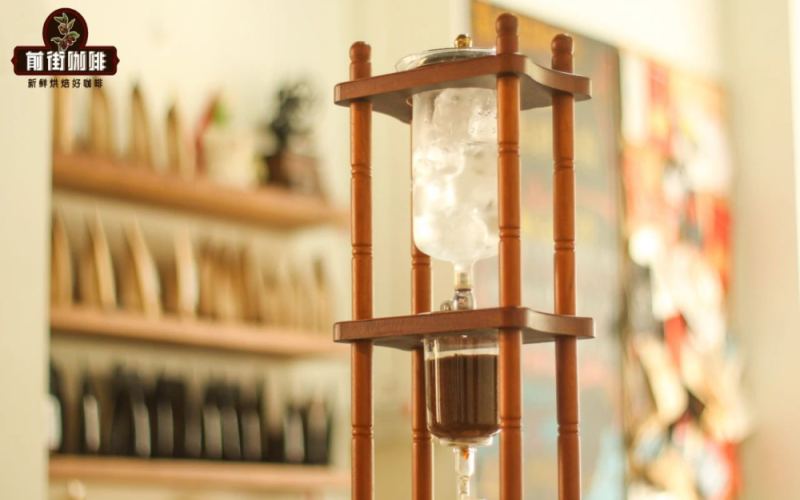
Why Isn't Cold Brew Coffee Sour or Astringent? A Detailed Explanation of Its Taste Characteristics, Brewing Method, and the Principles of Low-Temperature Aging
Ice drip coffee is known for its clean, full-bodied, smooth taste and rich fermented wine aroma, but many people mistakenly think it contains alcohol when they first encounter it. In fact, ice drip is a type of cold brew coffee, made by extracting drop by drop with ice water over a long period. Freshly made ice drip is not at its best for drinking; it needs low-temperature aging in the refrigerator to reveal its full fruity feel and wine aroma. Based on Front Street Coffee's production practice, this article explains in detail the coffee-to-water ratio, drip rate, aging time, and storage recommendations for ice drip, giving you a comprehensive understanding of the flavor sources and key production points of ice drip coffee. [more…]

Can a Hot Dirty Coffee Be Achieved? Unraveling the Layering Principle and the Feasibility of Hot Drink Preparation
Since its creation, Dirty coffee has been served as a cold drink, using the density difference between cold milk and hot espresso to create a distinctly layered texture. But many coffee enthusiasts have raised the question: can Dirty be made as a hot beverage? This article begins with Front Street Coffee's secret menu, traces the origins and core production of Dirty, and deeply analyzes the feasibility of hot Dirty. Through actual testing with a specially made ice ball to rapidly cool the espresso and heating the milk, an attempt is made to replicate the layered effect, and the flavor differences between the iced and hot versions are compared. The article also explores the limitations of hot Dirty in café service, answering for coffee enthusiasts why hot Dirty is difficult to become a regular option. [more…]

Why Is an Iced Americano Without Ice Often Warm? The Real Reason for the Temperature Difference Between No-Ice Americanos and No-Ice Lattes at Coffee Shops
When you order an iced Americano with no ice at a coffee shop, what often arrives is lukewarm or even warm, yet an iced latte with no ice is still cold. This difference leaves many coffee lovers puzzled. Drawing on the real-world experience of Front Street's stores, this article breaks down the underlying logic of how coffee shops make no-ice coffee, explains why no-ice Americanos are generally warm while no-ice lattes stay cold, and analyzes why coffee shops don't adopt the icing methods used by milk tea shops. Finally, it offers practical alternative ordering tips for those who want a lightly chilled Americano. The article also introduces Front Street's espresso bean series and the characteristics of its classic blend, making it a useful reference for coffee lovers who want to practice latte art at home or open their own shop. [more…]

Front Street Coffee Yirgacheffe Garse Gersi Red Honey Process Brewing Guide: Flavor Profile and Pour-Over & Iced Brew Parameter Analysis
Yirgacheffe has always been known for its bright floral aroma and citrus notes, but the red honey processing method brings a completely different taste experience to this classic region. Front Street Coffee Yirgacheffe Garse Red Honey is made using fully ripe red cherry picking and a 58-hour anaerobic pre-fermentation, combined with shade-dried slow drying and a depulping process that retains the mucilage, ultimately presenting a rich layering of jasmine, elderflower, and various ripe fruits intertwined. This article will break down the processing details and flavor origins of this bean in detail, and provide two complete parameter schemes—a regular pour-over and a Japanese-style iced pour-over—to help you consistently reproduce its clean, crystal-clear yet full, sweet, and smooth cup performance at home. [more…]

What's the difference between espresso and black coffee? The origins of Americano, espresso extraction parameters, and a detailed iced Americano recipe
Many friends who are new to coffee often struggle to distinguish the relationships between espresso, Americano, and black coffee. Although they all fall under the category of black coffee, their preparation methods and flavor profiles differ significantly. From the perspective of Front Street, this article sorts out the origins of Americano and its two preparation methods, explains the authentic extraction conditions and reference parameters for espresso, and offers Front Street's recommended espresso blend bean choices. At the same time, the article also compiles the complete operating steps for espresso, as well as specific ratio schemes for iced Americano and hot Americano, helping coffee enthusiasts understand the principles while also being able to make a balanced cup of coffee themselves. [more…]
Kenyan Coffee Bean Flavor Analysis and Detailed Guide to Three Cold Drink Methods: Ice Hand Pour, Ice Drip, and Cold Brew
Kenyan coffee is famous for its bright acidity and berry flavors, which are inseparable from its unique varietal genetics and processing methods. The Bourbon lineage cultivated in the early twentieth century, plus the two disease-resistant, high-yield varieties SL-28 and SL-34, nurtured a distinctive acidic aroma in Kenya's high-concentration phosphoric acid soil. Kenya's signature double washing method (K72), through two fermentations and repeated washing, further amplifies the bean's cleanliness and acetic acid concentration. Because of its bright acidity and elevated flavors, Kenyan beans are especially suitable for making iced coffee. This article will systematically sort out the varietal origins and washing process of Kenyan coffee, and share Front Street Coffee's specific parameters and operational details for three methods: iced pour-over, iced drip, and cold brew. [more…]
HEYTEA's Handcrafted Store Launches 50 New Products at Once: How Far Can the Whole-Leaf Tea Brewing Move Go?
Heytea has opened its first global handmade tea shop in Nantou Ancient Town, Shenzhen. The three-story space corresponds to three product lines: hand-stirred ice, handmade tea, and hand-brewed fine tea, launching over 50 new products at once. From Musang King durian to mangosteen, Thai golden pomelo, and guava, to traditional brewed pure teas covering China's six major tea categories and creative mixed cups, this shop is clearly not satisfied with the conventional tea beverage playbook. The most expensive single item, "Large Musang King Durian," is priced at 138 yuan, and the cups have also been custom-designed. The new-style tea beverage brand is returning to deep cultivation of original leaf tea, driven by the continuously expanding tea beverage track and the rising proportion of pure tea. This article takes you through a complete understanding of the product structure, pricing strategy, and industry significance of this new launch. [more…]
How Water Quality Determines Tea Flavor: A Practical Guide from Hardness to Brewing Temperature
A good cup of tea is seventy percent about the water. Many people focus only on the tea leaves when brewing, overlooking the decisive influence water quality has on flavor. Water hardness, pH, chlorine content, and total dissolved solids all directly affect the clarity and aromatic layers of the tea liquor. Drawing on real-world cases, this article explains why hard water causes iced tea to turn cloudy, how chlorine masks tea aroma, and offers actionable testing and filtration solutions. It also includes target water temperatures and steeping times for the six major tea categories, along with flavor references for common tea varieties. Whether you run a coffee shop or are a tea enthusiast, you'll find practical methods here to improve the consistency of your output. At the end, there's also information about Front Street Coffee's related products, which is worth checking out. [more…]